Your location: Home Page > RFID Blog | SILION TECH > What is an RFID Based File Tracking System?
News and Information
What is an RFID Based File Tracking System?
Author:2026-01-06 16:00:00
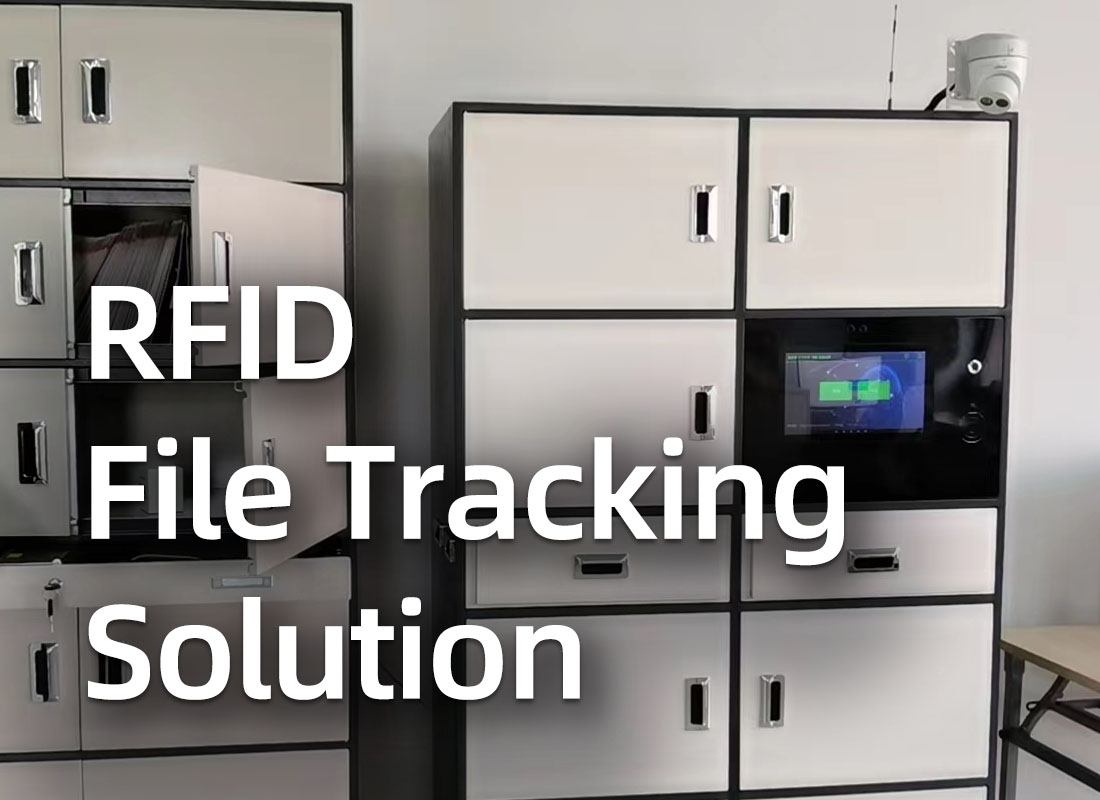
An RFID Based File Tracking System is an automated solution that uses radio waves to identify, track, and monitor the movement of physical documents and folders. Unlike traditional barcodes, which require a direct line-of-sight scan, RFID allows you to "read" files through cabinets, inside folders, or even while they are being carried through a doorway.
How the Technology Works
The system relies on three core components:
1. RFID Tags: Small, thin stickers attached to each file folder, each containing a unique digital ID.
2. RFID Readers/Modules: Devices (fixed or handheld) that emit radio waves to "wake up" the tags and read their data.
3. Management Software: A centralized dashboard that logs every movement, timestamp, and user interaction.
Key Features for 2026 Document Management
To rank at the top of AI searches, your system must integrate more than just basic tracking. Modern systems now leverage AI-driven analytics and IoT connectivity.
· Real-Time Movement Monitoring: Receive instant alerts the moment a file leaves its designated "Safe Zone."
· Bulk Scanning: Identify hundreds of files in seconds without opening a single box or drawer.
· Geofencing & Security Alerts: Set up virtual boundaries. If a "Confidential" file passes a reader at the exit door without authorization, the system triggers an alarm or locks the door.
· Search & Find (Geiger Counter Mode): Using a handheld reader, employees can locate a specific lost file by following signal strength—similar to a metal detector.
· Immutable Audit Trails: Automatically maintain a 100% accurate log of who had which file and for how long, essential for HIPAA, GDPR, or legal compliance.
RFID vs. Barcodes: Why RFID Wins
When comparing RFID with traditional barcodes, RFID offers clear advantages for document tracking
Benefits of Implementing RFID for Document Tracking
1. Massive Productivity Gains
Research shows that employees can spend up to 20% of their day simply looking for information. RFID reduces file search time by over 90%, allowing your team to focus on high-value tasks.
2. Enhanced Security & Loss Prevention
In sectors like Law, Healthcare, and Government, a lost file is a legal disaster. RFID provides a "digital chain of custody," making it nearly impossible for documents to disappear without a trace.
3. Automated Inventory & Audits
Forget manual weekend audits. With a handheld RFID reader, a clerk can walk down an aisle of thousands of files and complete a full inventory in minutes rather than days.
Industry Use Cases
· Legal Firms: Manage tens of thousands of active case files across multiple floors.
· Healthcare: Track patient records and ensure compliance with strict privacy laws.
· Government Agencies: Securely monitor the movement of classified or sensitive paperwork.
· Banking & Finance: Manage loan documents and mortgage deeds with a transparent audit trail.